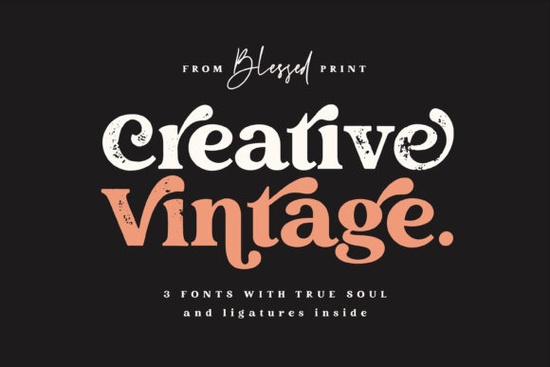
Finding the right typeface pairing can often feel like a struggle for designers and crafters. You want something that stands out but still remains readable across different mediums. This is where a well-constructed duo font becomes essential for your toolkit. The Creative Vintage Font offers a solution by combining a bold display style with a flowing script. This combination allows you to create hierarchy in your designs without needing to search for two separate files that might not match perfectly.
When you work with vintage-inspired typography, versatility is key. You need a font that looks good on a wedding invitation but also holds its weight on a t-shirt design. This specific package provides both the structure of a display font and the personality of a script. It saves time during the creative process because the kerning and weights are already balanced to work together. For small business owners selling print-on-demand products, this efficiency means you can launch designs faster.
Why choose a duo typeface for your designs?
Using a single font family that includes multiple styles reduces the risk of clashing aesthetics. When you mix unrelated fonts, the visual tension can distract from your message. A duo set ensures the curves and strokes complement each other. For example, if you are working on a project that requires a softer touch, you might typically look for typefaces designed for narrative work. However, having both options in one download simplifies your file management.
Furthermore, versatility allows you to adapt to different client needs without purchasing new assets constantly. You might need something sturdy for a logo mark but elegant for the tagline. While some designers prefer playful options for younger audiences, a vintage duo bridges the gap between professional and approachable. This adaptability makes it a safe choice for branding projects where longevity is important.
What projects work best with this style?
The bold nature of the display component makes it suitable for headlines and logos. It grabs attention quickly, which is vital for social media graphics or product packaging. On the other hand, the script portion adds a human touch, making it ideal for personal messages or signature elements. If you are creating apparel, this style competes well with industrial or heavy metal styles by offering a classic alternative that still feels strong.
Wedding stationery is another major use case. Couples often look for something that feels timeless rather than trendy. The vintage aesthetic fits perfectly with rustic or classic themes. You can also use it for bakery labels or coffee shop branding. In these contexts, it performs similarly to other nostalgic design tools but offers the added benefit of a matching script. This ensures your menu headers and descriptions look cohesive.
How does this compare to other display options?
Not all display fonts come with a matching script. Many designers end up buying separate packages to achieve the same look. By choosing a duo, you ensure the x-height and stroke contrast are consistent. If you are exploring different moods, you might consider alternative pairings with a modern feel. However, for a classic look that resonates with a wide audience, the vintage style remains a staple in the design community.
Technical compatibility is also a factor to consider. Most modern font packages include OTF, TTF, and webfont formats. This ensures you can use the files in Adobe Illustrator, Canva, or directly on a website. Always check the license agreement to confirm if you are allowed to use the fonts for commercial goods. For physical products like mugs or shirts, a commercial license is usually required.
Quick Checklist Before You Start
Before you finalize your design files, run through these simple steps to ensure quality:
- Check Legibility: View your text at small sizes to ensure the script remains readable.
- Verify License: Confirm your license covers print-on-demand or client work.
- Test Contrast: Make sure the display and script colors contrast well against your background.
- Export Formats: Save your final designs in high-resolution PNG or vector PDF formats.
- Preview on Mockups: Always view your design on a realistic mockup to see how it looks in context.
Taking these precautions helps avoid common pitfalls like unreadable text or license violations. With the right tools and a bit of planning, you can create professional-looking assets that stand out in a crowded market.
Learn More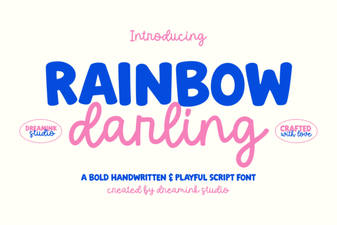 Rainbow Darling Duo: Font Pairing Ideas for Creative Designs
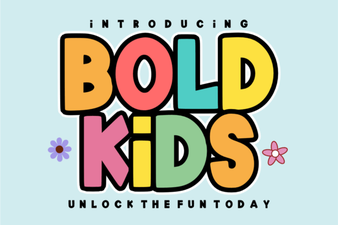 Creative Font Designs for Young Learners
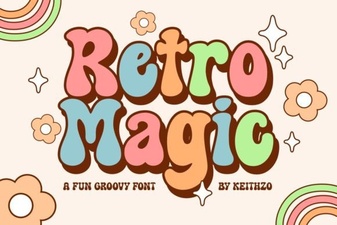 Font Magic for Retro Design Projects
 Trup & Tomp Font: Design Tips & Creative Uses
 Bold Dirty Fonts for Unforgettable Designs
 Fishtail Monogram Fonts for Elegant Diy Projects