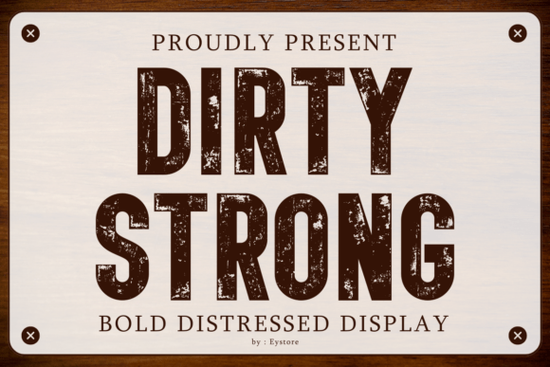
Finding the right typography for rugged projects often comes down to texture and weight. When you need a typeface that conveys strength without looking too polished, Dirty Strong Font offers a specific aesthetic designed for vintage industrial looks. This bold, distressed sans-serif display font brings an authentic, gritty feel to designs that require a masculine edge. Whether you are creating warehouse signage or branding for a coffee roaster, the eroded details help your work stand out in a crowded market.
What makes this typeface suitable for industrial projects?
The core appeal of this font lies in its distressed texture. Unlike clean geometric sans-serifs, the letters feature intentional wear and tear. This mimics the look of stencils painted on metal crates or old factory walls. If you are building a brand identity around durability, this texture communicates that message instantly. Designers who enjoy metallic textures might also explore our industrial typeface collection to find complementary styles for their layouts.
The weight of the characters ensures readability even when the edges are rough. This is crucial for signage where distance matters. The bold strokes prevent the erosion from making the letters illegible. It strikes a balance between artistic decay and functional communication, which is often hard to achieve with standard display fonts.
Where can you apply this bold lettering?
This typeface shines in print-on-demand scenarios. T-shirt designs benefit greatly from the streetwear vibe it projects. When printed on dark fabrics, the distressed edges blend naturally with the material, giving the impression of a worn-in garment right from the start. Tote bags are another excellent candidate, especially for brands selling tools, automotive parts, or rugged outdoor gear.
Beyond apparel, consider packaging. Coffee bags often use vintage aesthetics to suggest tradition and robust flavor. Automotive posters also rely on this look to evoke speed and mechanical power. The font works well for logos that need to appear established and tough. While thick letters for younger audiences exist, this specific style is strictly mature and suited for adult-oriented branding.
How do you pair distressed fonts with other styles?
Using a heavy display font like this requires careful pairing. If you use it for a headline, your body text should be clean and simple. However, you can experiment with contrast in your header hierarchy. Sometimes mixing rugged text with softer narrative styles creates balance, especially for brands that want to appear tough but approachable.
For a classic vibe, pair it with varsity-inspired lettering. This combination works well for merchandise targeting alumni or sports enthusiasts who appreciate a heritage look. The key is to let the Dirty Strong typeface dominate the visual hierarchy while using secondary fonts to support the message without competing for attention.
Is this typeface readable for signage?
Legibility is a common concern with distressed typography. Because the erosion is baked into the glyph shapes rather than applied as an effect, the core structure remains intact. This means you can scale it up for large format printing without worrying about pixelation or losing the texture. Unlike other display options we've reviewed, this one focuses specifically on erosion rather than just weight.
When using it for warehouse signage or shop fronts, ensure there is high contrast between the text and the background. White lettering on a dark brick wall or black text on a concrete background maximizes the impact. Avoid placing it over busy photographs where the distressed edges might get lost in the noise of the image.
Can beginners use this for branding?
Yes, this font is accessible for designers at various skill levels. It comes in standard formats like OTF and TTF, making it compatible with most design software including Illustrator, Photoshop, and Canva. You do not need advanced texturing skills to achieve the look because the grit is already part of the font file. This saves time during the design process and ensures consistency across different media.
For small business owners handling their own marketing, this reduces the need for custom illustration. You can type your business name and immediately have a logo mark that feels custom-made. Just remember to check the licensing terms regarding commercial use, especially if you plan to sell products featuring the text.
Quick Design Checklist
- Check Contrast: Ensure the background color makes the distressed edges visible.
- Limit Usage: Use for headlines and logos, not long paragraphs of text.
- Pair Wisely: Combine with simple sans-serifs for body copy to maintain readability.
- Test Scale: Preview the font at actual size before sending to print to verify legibility.
- Verify License: Confirm commercial rights before using on products for sale.
By focusing on these practical steps, you can integrate this rugged typography into your workflow effectively. It provides a ready-made aesthetic that would otherwise take hours to create manually, allowing you to focus on the broader composition of your design projects.
Explore Design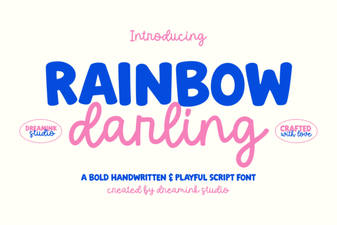 Rainbow Darling Duo: Font Pairing Ideas for Creative Designs
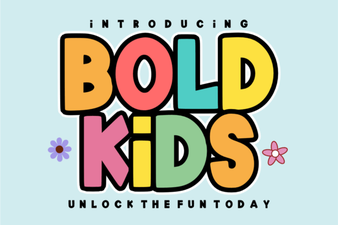 Creative Font Designs for Young Learners
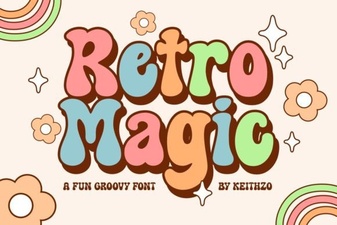 Font Magic for Retro Design Projects
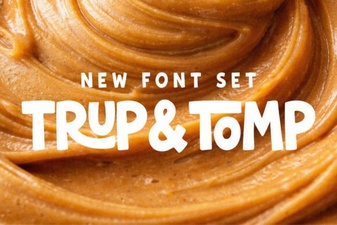 Trup & Tomp Font: Design Tips & Creative Uses
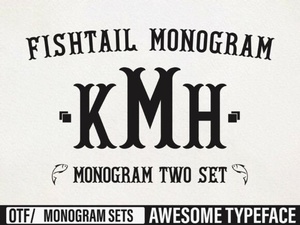 Fishtail Monogram Fonts for Elegant Diy Projects
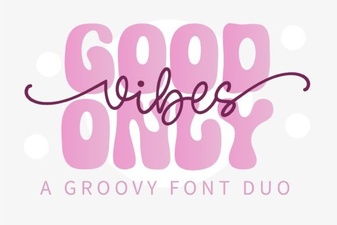 Good Vibes Duo Font for Creative Projects