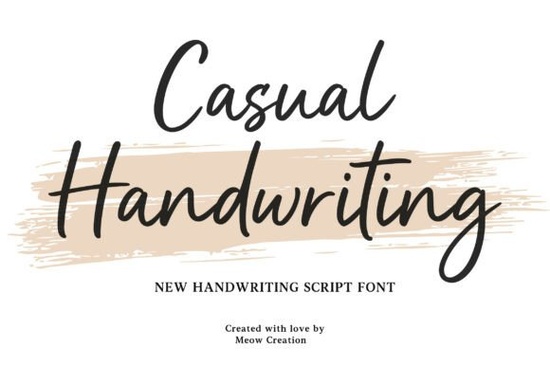
Finding the right typeface for a project often comes down to how authentic it feels. When you need something that looks like it was written by hand but still maintains clarity, a relaxed script is usually the best choice. The Casual Handwriting Font offers exactly that balance, providing a smooth and natural style that works well for various creative tasks. Whether you are designing social media graphics or creating physical products, having a font that feels personal can make a significant difference in how your audience connects with your work.
Why choose a relaxed script for your projects?
Many designers worry that handwritten styles might be too messy or hard to read. However, a well-designed script balances personality with legibility. The soft curves and balanced strokes found in this type of font give your designs a warm, friendly, and modern look without sacrificing clarity. This is particularly important for branding projects where you want to appear approachable yet professional. If you are looking for this relaxed script style for your next layout, you will find it handles both large headlines and smaller body text effectively.
Readability is key when customers are scanning through information quickly. A font that mimics natural handwriting can slow them down just enough to notice the message, but not so much that they lose interest. It creates a sense of intimacy, which is why many small business owners prefer it for packaging labels or thank-you notes included in orders.
Where does this typeface work best?
There are several practical applications where a natural script shines. One of the most popular uses is for quotes on social media platforms like Instagram or Pinterest. These platforms rely heavily on visual appeal, and text that looks hand-lettered often performs better than standard sans-serif options. Additionally, this style is perfect for T-shirts and print-on-demand products. When printed on fabric, the smooth lines hold up well, ensuring the design looks crisp even after washing.
For more formal occasions, you might need something slightly different. While casual scripts are great for everyday use, events like weddings often require a touch more elegance. In those cases, you might explore options like signature styles for invitations to match the tone of the event. However, for birthday parties, casual gatherings, or branding a cozy cafe, the relaxed approach remains superior.
How do you pair handwritten styles?
Using a script font effectively often means knowing what to pair it with. A common mistake is using too many decorative fonts in one design. To keep things clean, combine your handwritten choice with a simple sans-serif or a clean serif font. This creates contrast and allows the script to stand out as the focal point. If you prefer having matched sets ready to go, looking into font duo options can save you time on selection.
Pairing also involves considering weight and size. Since handwritten fonts can vary in thickness, ensure there is enough contrast between the script and the supporting text. Bold headings paired with lighter body text usually create a nice hierarchy. This technique helps guide the viewer's eye through the design logically, ensuring they read the most important information first.
What about colorful or playful designs?
Sometimes a project calls for more than just black and white text. If you are working on children's products, educational materials, or fun marketing campaigns, adding color can enhance the playful nature of the script. You might consider colorful design elements to complement the handwriting style. The organic shape of the letters works well with vibrant palettes, making the overall composition feel lively and energetic.
However, be careful not to overdo it. Too many colors can distract from the readability of the text. Stick to two or three complementary colors to maintain a cohesive look. This ensures that the warmth of the handwritten style remains the star of the show, rather than the color scheme overpowering the message.
Are there similar alternatives to consider?
While this specific font is versatile, it is always good to have options in your toolkit. Different projects might require slight variations in stroke width or slant. For instance, if you need something with a unique flow or specific cultural influence, you might look at unique script variations available in the marketplace. Having a diverse library allows you to tailor your design choices to the specific needs of each client or product line.
Ultimately, the goal is to find a typeface that feels authentic to your brand voice. You can check out the Casual Handwriting Font to see if it fits your current needs. Testing different styles in your actual design software before committing is always a smart move.
Quick Design Checklist
- Check Legibility: View your design at 100% zoom to ensure all letters are clear.
- Limit Fonts: Use no more than two typefaces in a single composition.
- Test on Mockups: Always preview your text on a T-shirt or phone screen before finalizing.
- Verify Licensing: Confirm the license allows for commercial use if you are selling products.
- Adjust Kerning: Tweak the spacing between letters if any characters feel too crowded.
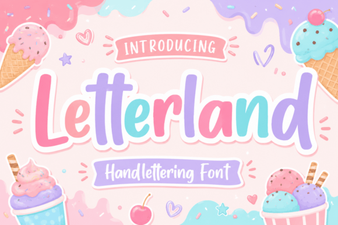 Letterland Fonts for Fun and Educational Projects
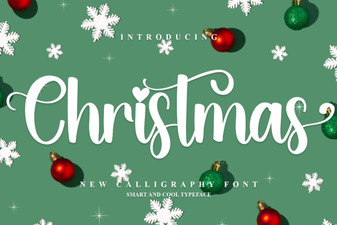 Festive Fonts for Holiday Design Projects
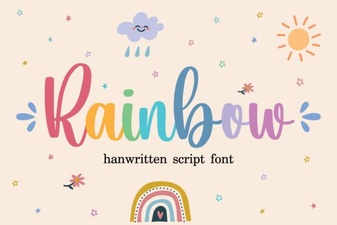 Rainbow Fonts for Designers: Colorful Typography Ideas
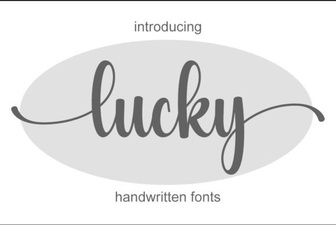 Enhance Your Design with Lucky Font Styles
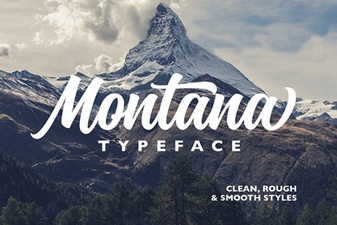 Discover the Montana Font for Your Creative Projects
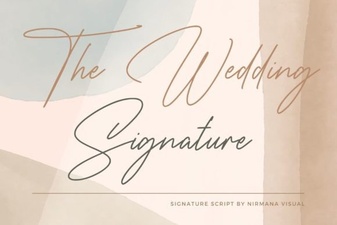 The Signature Font: Elegant Wedding Design Tool