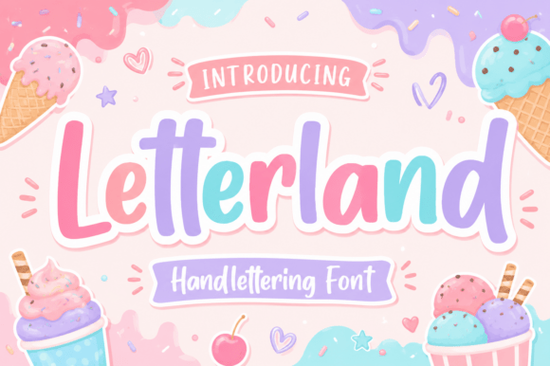
Finding the right typeface for a project often comes down to the feeling you want to convey. If you are working on something that needs to feel warm and inviting, the Letterland Font is a strong candidate. This typeface is designed with thick, rounded strokes that immediately catch the eye without feeling aggressive. It serves as a great tool for designers who want to add a human touch to their digital or print work. Whether you are creating materials for a classroom or designing packaging for a small business, the personality of the letters matters.
What makes this typeface stand out visually?
The core appeal of this font lies in its irregular shapes and whimsical style. Unlike standard geometric fonts, the letters here have a hand-drawn quality that suggests effort and care. The strokes are bold, which helps them remain visible even when scaled down for stickers or labels. You will notice that the edges are slightly uneven, which prevents the design from looking too sterile or corporate. This imperfection is intentional, creating a cheerful and approachable look that resonates well with audiences looking for authenticity.
Designers often worry that playful fonts might sacrifice readability. However, this option maintains a high level of legibility despite its decorative nature. The spacing between characters is balanced, ensuring that words do not blend together. This makes it suitable for short headlines, logos, or emphasis text where you need the message to be clear but still full of character.
Where should you use this style?
This type of typography shines in contexts that involve children or education. It is an excellent choice for school supplies, book covers, and classroom materials where a friendly tone is necessary. Beyond education, it works well for cute branding initiatives. If you are selling handmade goods or organic products, this font can help communicate a sense of warmth and craftsmanship.
It is also highly effective for packaging design. When a customer picks up a product, the typography on the label is often the first thing they read. A bold, rounded font can make the product feel accessible and fun. You might also consider using it for creative craft designs, such as custom stickers or greeting cards. The energetic feel adds a youthful vibe that appeals to a broad demographic.
Are there similar options for different vibes?
Sometimes you need a variation that fits a specific theme while keeping the same handwritten feel. For example, if you want something that feels a bit more rugged or western, you might explore the Montana Font. It offers a different texture that can suit outdoor or adventure-themed projects. Alternatively, if you are aiming for a relaxed, west coast aesthetic, the California Font provides a laid-back script style that complements sunny branding.
Having a variety of typefaces in your library allows you to match the font to the specific emotion of the project. While the primary focus here is on playful and bold strokes, knowing when to switch to something more thematic is key to good design.
Can you use it for holidays or special events?
Seasonal projects often require typography that matches the mood of the occasion. While the main font discussed here is versatile, you might need something more specific for holiday campaigns. For winter projects, a dedicated Christmas Font can add festive flair that a general display font might miss. Similarly, for events centered around games or celebrations of chance, a Lucky Font can introduce elements of fun and fortune into your layouts.
Using the right thematic font helps your audience instantly recognize the context of your design. It reduces the cognitive load on the viewer, allowing them to understand the message faster.
How do you ensure readability with display fonts?
When working with bold, handwritten styles, contrast is your best friend. Always pair these letters with a clean, simple background. Avoid placing them over busy patterns or low-contrast images. If you are using this for web design, ensure the file format is optimized for fast loading times. For print, check that the ink coverage is sufficient to maintain the thickness of the strokes.
Limit the amount of text you set in this style. Display fonts are meant for headings and short phrases, not long paragraphs. Using them for body text can strain the reader's eyes and reduce the overall professionalism of the piece. Stick to using it for titles, call-to-action buttons, or key highlights within a layout.
Practical Checklist for Using Playful Fonts
- Check Contrast: Ensure the text stands out clearly against the background color or image.
- Limit Usage: Use the font for headlines and short phrases rather than long blocks of text.
- Match the Audience: Confirm that the playful style aligns with the demographics of your target market.
- Test Legibility: Print a sample or view the design on multiple screens to ensure letters are distinct.
- Pair Wisely: Combine with a simple sans-serif font for body text to maintain balance.
By following these guidelines, you can maximize the impact of your typography choices. The goal is to enhance the message, not distract from it. With the right application, a friendly typeface can become a defining element of your brand identity.
Learn More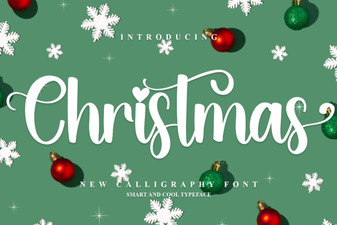 Festive Fonts for Holiday Design Projects
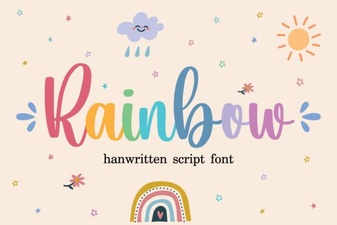 Rainbow Fonts for Designers: Colorful Typography Ideas
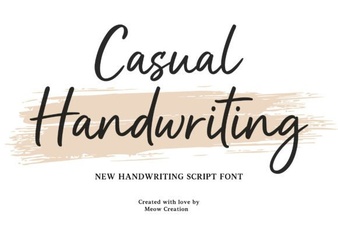 Casual Fonts for Friendly Website Designs
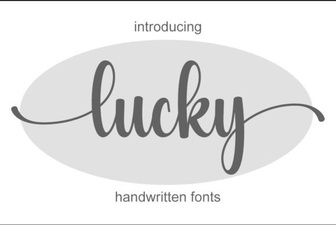 Enhance Your Design with Lucky Font Styles
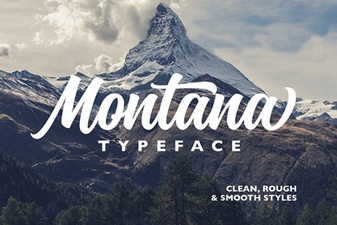 Discover the Montana Font for Your Creative Projects
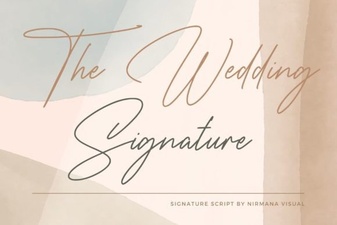 The Signature Font: Elegant Wedding Design Tool