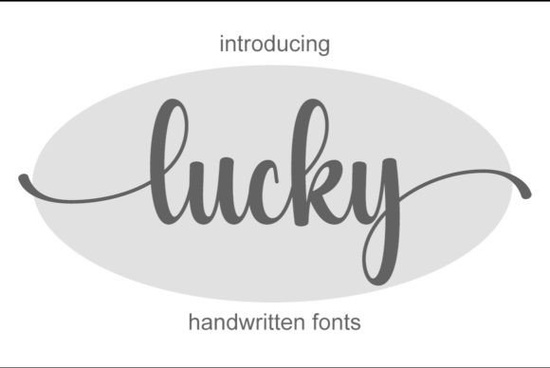
When you need a typeface that feels personal yet professional, finding the right script can be challenging. The Lucky Font is an elegant and delicate handwritten typeface designed to meet various design needs. Whether you are creating logos, branding materials, or social media posts, this font offers a clean look that works well for many creative projects. It is particularly useful for small business owners and crafters who want their work to stand out without looking too flashy.
What kind of projects work best with this typeface?
This typeface shines in situations that require a touch of sophistication. Because the letters are delicate, they look wonderful on wedding invitations and formal greeting cards. If you are designing for a bride or groom, you might compare this style to other options found in the wedding signature collection. It pairs well with floral elements or minimalist layouts where the text needs to be the star of the show.
Beyond weddings, this font is suitable for product design and packaging. Imagine printing this on a candle label or a boutique clothing tag. The handwritten style adds a human element to mass-produced items, which is valuable for print-on-demand sellers. Business cards also benefit from this look, as it makes contact information feel more approachable. However, if your brand requires something louder or more colorful, you might explore rainbow font styles instead. For this specific typeface, the focus remains on elegance and readability.
How does the technical encoding help my workflow?
One of the most practical features of this download is that it is PUA encoded. For those who are not familiar with technical terms, PUA stands for Private Use Area. This means you can access all of the glyphs and alternates with ease using standard software. You do not need special plugins or complex key combinations to use the swashes or ligatures included in the file.
This saves time when you are working on tight deadlines. You can simply select the alternate characters directly from your font panel in programs like Adobe Illustrator or Canva. This level of accessibility is crucial for hobbyists who may not have advanced typography training. It ensures that what you see on your screen is exactly what will print on your final product. Unlike some complex scripts that require extensive tweaking, this tool is ready to use right after installation.
Are there similar styles if I want something different?
While this font is delicate, you might sometimes need a heavier weight for better visibility at smaller sizes. If you need something with more presence, the montana font script offers a different feel with bolder strokes. It is important to match the font weight to your medium. For example, a very thin script might get lost on a textured fabric, whereas a bolder option would remain clear.
Additionally, if you are designing for children's products or playful brands, you might prefer a whimsical style. In that case, browsing letterland font options could give you ideas for more fun lettering. The goal is to match the personality of the font with the message of your design. For those who want to stick with the elegant vibe but explore similar variations, checking the lucky font script fonts category can help you find complementary typefaces.
What should I check before starting my design?
Before you commit to using this typeface for a client project or a large print run, there are a few things to verify. First, ensure you have the correct license for your intended use, especially if you are selling physical end products. Second, test the readability on different backgrounds. Delicate scripts sometimes struggle against busy patterns. Finally, make sure you have installed the font correctly so all PUA characters appear in your software.
Here is a quick checklist to help you get started:
- Verify License: Confirm that your download includes commercial use rights for physical goods.
- Test Legibility: Print a sample at the actual size you plan to use to ensure the thin strokes are visible.
- Check Alternates: Open your font panel and look for the extra glyphs included in the PUA encoding.
- Pair Carefully: Combine this script with a simple sans-serif font for body text to maintain balance.
- Save Versions: Keep a version of your design with standard characters and one with alternates for client approval.
Taking these steps ensures that your final design looks polished and professional. By understanding the strengths of this tool, you can create branding and invitations that feel unique and personal.
Explore Design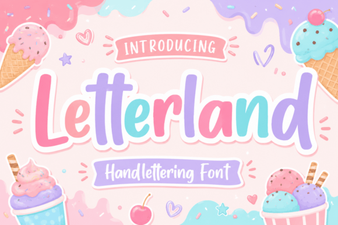 Letterland Fonts for Fun and Educational Projects
 Festive Fonts for Holiday Design Projects
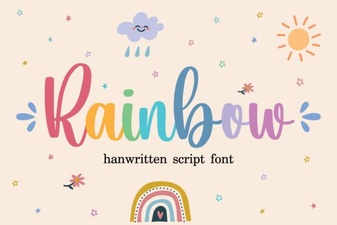 Rainbow Fonts for Designers: Colorful Typography Ideas
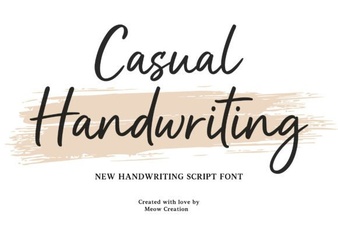 Casual Fonts for Friendly Website Designs
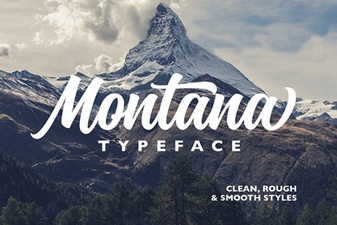 Discover the Montana Font for Your Creative Projects
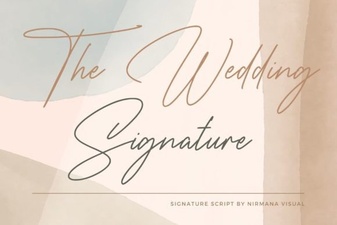 The Signature Font: Elegant Wedding Design Tool