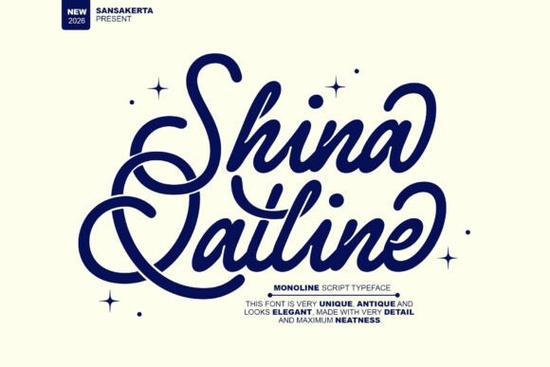
Finding the right typography can make or break a design project. If you are looking for something that feels personal yet polished, the Shina Qatline Font is a strong contender. It blends vintage charm with modern cleanliness, offering a monoline script style that works well across various media. Designers often struggle to find handwritten styles that remain legible at smaller sizes, but this typeface aims to solve that problem with balanced letterforms and smooth curves.
What makes this script stand out for branding?
Monoline scripts are popular because they maintain a consistent stroke width, which helps with readability. This specific font combines luxury and modern styles, making it suitable for high-end products. When you are creating a logo, consistency is key. The clean lines ensure that your brand name looks professional on both a business card and a large storefront sign. Unlike some calligraphy fonts that rely on thick and thin contrasts, this style keeps things uniform, which simplifies printing and embroidery processes.
For small business owners, having a signature style is essential. This typeface delivers a classy look without feeling overly ornate. It works particularly well for feminine branding, beauty products, and fashion labels. The refined details allow you to create a visual identity that feels established and trustworthy. If you are building a brand from scratch, starting with a versatile script like this can save you time on revisions later.
Where does this typeface work best?
You can use this font for both digital and print applications. Wedding invitations are a common use case because the script feels romantic and timeless. However, its utility goes beyond stationery. Social media graphics benefit from the strong visual impact of the letters, ensuring your posts stand out in a crowded feed. Packaging design also relies heavily on typography to convey quality, and this script adds a sophisticated touch to labels and boxes.
It is important to consider pairing when using script fonts. A heavy sans-serif often works well as a complement for body text. This combination creates a hierarchy that guides the viewer's eye. For example, use the script for the main headline and a simple geometric font for the details. This balance prevents the design from looking too busy. If you need more variety in your library, you might explore other options to handle different moods.
While this font focuses on elegance, your library might need variety for other projects. You might keep laid-back west coast styles for casual summer sales. Rustic brands could benefit from rugged northern options. If you are working on children's products, look into whimsical character designs. For colorful campaigns, consider vibrant color projects. When you need a matched pair for body text, coordinated duo systems simplify the process. Having a diverse collection ensures you are ready for any client request.
Is it suitable for print-on-demand products?
Print-on-demand sellers need files that scale well without losing quality. Since this font comes with standard vector-based outlines when converted, it handles scaling effectively. Whether you are printing on t-shirts, mugs, or tote bags, the clean lines remain sharp. This reduces the risk of ink bleeding or details getting lost during the printing process. It is a practical choice for merchants who need reliable assets for their online stores.
Always check the licensing terms before using any font for commercial goods. Most creative marketplaces offer different licenses for personal and commercial use. Ensure you have the right permissions for the number of items you plan to sell. Proper licensing protects your business from legal issues down the line. Once you have the correct license, you can focus on creating designs that resonate with your audience.
How to get the most out of your typography
Using a new font effectively requires some experimentation. Start by typing out your brand name or project title to see how the letters connect. Adjust the kerning if necessary to ensure even spacing. Test the font in black and white first to check legibility before adding colors. This helps you identify any potential readability issues early. Remember that simplicity often leads to better design outcomes.
Here is a quick checklist to follow before finalizing your design:
- Check Legibility: View the text at different sizes to ensure it remains readable.
- Verify Licensing: Confirm your license covers commercial use for your specific products.
- Test Pairings: Try combining the script with a simple sans-serif for body text.
- Review Spacing: Adjust letter spacing to avoid crowded or too-loose appearances.
- Export Correctly: Save your final design in the appropriate format for print or web.
Taking these steps ensures your final product looks professional and meets industry standards. Good typography supports your message rather than distracting from it. With the right tools and attention to detail, you can create work that stands the test of time.
Download Now Letterland Fonts for Fun and Educational Projects
 Festive Fonts for Holiday Design Projects
 Rainbow Fonts for Designers: Colorful Typography Ideas
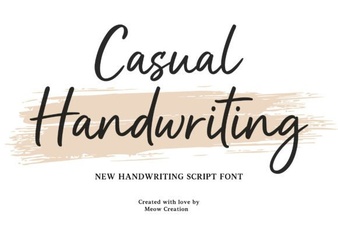 Casual Fonts for Friendly Website Designs
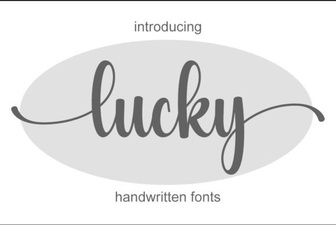 Enhance Your Design with Lucky Font Styles
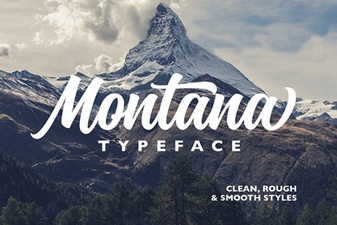 Discover the Montana Font for Your Creative Projects