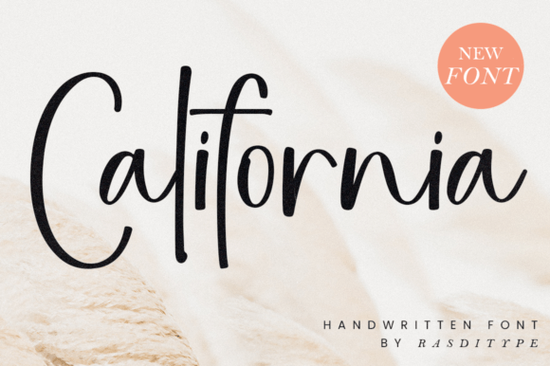
Finding the right typography can be tricky when you want something that feels personal but still reads clearly. You need a typeface that captures a human touch without sacrificing legibility on screens or print. The California Font offers a handwritten look that works well for many creative projects. It captures a timeless style without feeling too messy or hard to read. This makes it a solid choice for designers who need versatility in their toolkit.
What Projects Work Best With This Style?
Handwritten scripts are popular because they add warmth to a design. This specific style shines when used for branding elements like logos. A business owner might want their brand to feel approachable, and a script typeface can convey that friendliness immediately. It is also highly effective for photography watermarks. Since watermarks need to be visible but not distracting, a distinct handwritten style fits nicely over images without blocking the main subject.
For those working in the event industry, this type of typography is a staple. When designing invitations, you might also browse collections made for wedding signatures to see how this style compares to others in the same niche. Wedding stationery requires a balance of elegance and readability, and scripts often provide that mix. Beyond weddings, these fonts are useful for modern websites that want to break away from rigid corporate looks. They add a layer of personality to headers or call-to-action buttons.
How Do You Pair This With Other Typography?
Mixing fonts is an art form. If you use a handwritten script for a headline, you should pair it with something simpler for the body text. Sans-serif fonts usually work best here because they don't compete for attention. The goal is to let the script stand out as the decorative element while the secondary font handles the heavy lifting of reading.
When exploring similar vibes, you might look at casual handwriting options that share this relaxed feel. However, if you want something with a bit more flair or distinct character, you could compare it to distinct styles such as Shina Qatline. Understanding the differences in stroke width and slant helps you decide which one fits your specific layout. For projects that need a bit more fun or energy, checking out playful script choices can give you ideas on how to adjust spacing and sizing for a livelier result.
Is This Suitable for Seasonal Designs?
While some scripts are strictly formal, handwritten styles often adapt well to seasonal themes. You can use them for holiday cards, sale banners, or social media graphics throughout the year. The organic shape of the letters makes them feel less rigid than standard typefaces, which aligns well with festive moods.
For example, during the end-of-year season, many designers switch to themed typography. You can create holiday designs including Christmas fonts that maintain consistency with your brand while celebrating the season. The key is to ensure the color contrast is high enough so the script remains readable against busy backgrounds. Whether you are making a summer sale flyer or a winter greeting, the flexibility of a good script font allows you to tweak colors and effects without losing the core identity of the text.
What Should You Check Before Downloading?
Before you commit to using any new typeface in a commercial project, there are a few practical steps to take. Licensing varies between creators, so always verify what is allowed. Some fonts are free for personal use but require a fee for selling products like t-shirts or mugs. Also, check the file formats included. Having OTF, TTF, and webfont versions ensures you can use the typography across different platforms, from print shops to website builders.
Here is a quick checklist to review before finalizing your choice:
- Check the license: Ensure it covers commercial use if you plan to sell items.
- Test legibility: Type out a long sentence to see if the letters remain clear at small sizes.
- Review glyph support: Make sure it includes the special characters or languages you need.
- Look for alternates: See if the font includes different versions of letters for a more natural look.
- Verify file types: Confirm you have the right formats for your specific software.
Start by installing the font on your computer and typing out your actual project text. Seeing it in context is the best way to know if it works. If you plan to use it for a logo, try it in black and white first to ensure the shape holds up without color relying on the design. Taking these small steps saves time later and ensures your final design looks professional.
Explore Design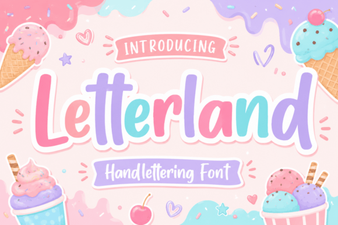 Letterland Fonts for Fun and Educational Projects
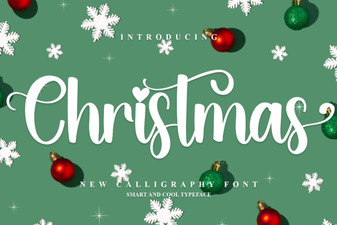 Festive Fonts for Holiday Design Projects
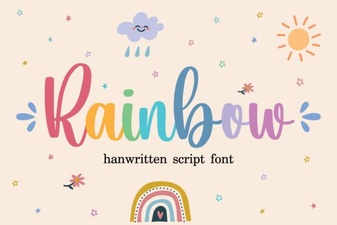 Rainbow Fonts for Designers: Colorful Typography Ideas
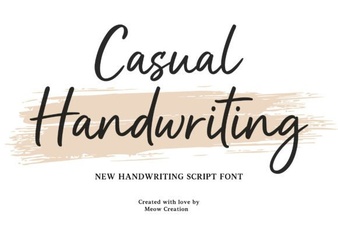 Casual Fonts for Friendly Website Designs
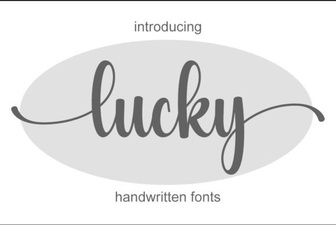 Enhance Your Design with Lucky Font Styles
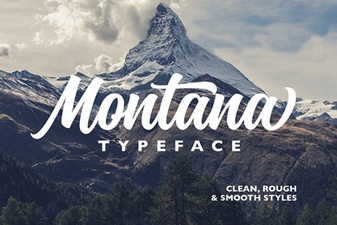 Discover the Montana Font for Your Creative Projects