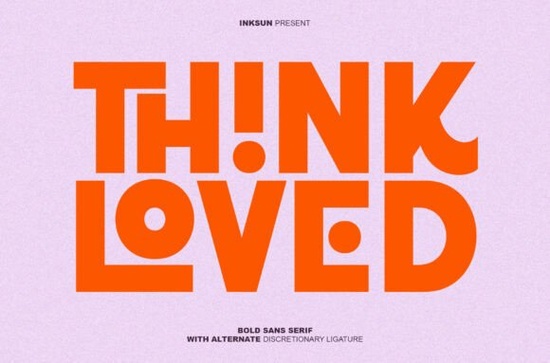
When you need typography that demands attention without shouting, heavy geometric shapes often provide the best solution. Designers working on streetwear labels or digital ad campaigns frequently search for weights that hold their own against busy backgrounds. The Think Loved Font fits this need by combining ultra-heavy strokes with minimalist forms. It is built to turn standard headlines into striking graphic elements, making it a solid choice for modern branding projects where clarity and impact are equally important.
This typeface stands out because it does not rely on standard letterforms alone. Instead, it uses playful circular cutouts and interlocking characters to create visual interest. These details prevent the bold weight from feeling too blocky or static. For creatives who want their text to function as an illustration rather than just information, this approach offers a distinct advantage. The geometric impact ensures readability even at large sizes, while the discretionary ligatures add a custom feel to logotypes.
What makes the geometry stand out in modern layouts?
The core strength of this design lies in its balance between structure and playfulness. Many bold sans serifs can feel rigid, but the circular cutouts introduce a sense of movement. This is particularly useful when designing for the modern attention economy, where viewers scan content quickly. By breaking up the solid mass of the letters, the font guides the eye across the word rather than letting it stop at a heavy block.
Additionally, the alternate ligatures allow for unique character combinations. When you interlock specific letters, you create a monogram effect that can serve as a standalone logo mark. This versatility means you do not always need separate graphic design software to create a unique brand identity. You can achieve a custom look directly within your text editor or design tool. If you are comparing different heavy options, you might also browse retro-inspired alternatives to see how weight varies across different styles.
Where does this typeface work best for sellers?
Print-on-demand sellers and small business owners often need assets that translate well across various products. This font performs exceptionally well on apparel, especially hoodies and t-shirts where large chest prints are common. The ultra-heavy weight ensures the design remains visible even on textured fabrics. It is also suitable for high-contrast digital advertising, such as social media banners or YouTube thumbnails, where legibility on small screens is crucial.
For brand identities, this typeface suggests confidence and contemporary relevance. It pairs well with simple sans serif body text to maintain a clean hierarchy. When used for packaging, the minimalist shapes look premium without requiring complex embellishments. If you want to see more examples of how this specific weight class is applied, you can visit the dedicated style page for further inspiration.
Ideal use cases include:
- Streetwear Apparel: Large logos on backs of jackets or front chest prints.
- Digital Ads: Headlines that need to pop against photographic backgrounds.
- Brand Logos: Using ligatures to create unique monograms.
- Packaging: Minimalist labels for contemporary products.
How do you handle licensing for commercial projects?
Before integrating any new typography into a client project or product line, understanding the license is essential. Most fonts available on creative marketplaces come with specific terms regarding commercial use, print runs, and digital distribution. Always verify if the license covers merchandise for resale, as this is a common requirement for POD sellers. You can find Think Loved on the marketplace to review the specific terms attached to this download.
Keeping organized records of your licenses protects your business from potential legal issues. Create a folder on your computer where you store the license file alongside the font files. This practice makes it easier to verify permissions if a platform like Amazon Merch or Etsy requests proof of rights. It also helps when working with multiple designers who might need access to the same assets.
What are the best pairing strategies?
Because this font is so heavy, it should not be used for long paragraphs of text. It works best as a display typeface for headings and titles. Pair it with a lightweight sans serif or a clean humanist font for body copy. This contrast creates a professional hierarchy that is easy to read. Avoid pairing it with another decorative font, as this can make the design feel cluttered and difficult to process.
Color choice also plays a significant role in how the geometric shapes are perceived. High-contrast combinations, such as black text on a white background or neon text on dark backgrounds, maximize the impact of the cutouts. Experiment with kerning to ensure the interlocking characters do not feel too tight on smaller screens. Proper spacing ensures the playful elements remain distinct rather than merging into a single shape.
Quick checklist before you start designing:
- Verify the license covers your intended commercial use case.
- Test the legibility on mobile devices before finalizing ads.
- Check how the ligatures look at different sizes.
- Ensure you have a complementary font for body text.
- Save your license documentation in a dedicated folder.
Starting with a strong typographic foundation saves time during the revision process. By choosing a font that handles both structure and style effectively, you reduce the need for excessive graphic embellishments. Focus on how the letters interact with your layout whitespace. When the typography does the heavy lifting, your overall design becomes cleaner and more effective.
Download Now The Polaroid Font: Retro Design Inspiration & Uses
 Rainbow Darling Duo: Font Pairing Ideas for Creative Designs
 Monarch Heritage Font: Elegance for Creative Projects
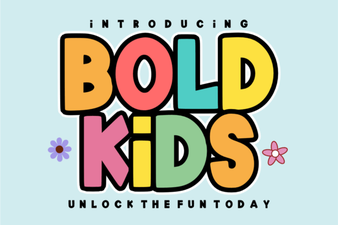 Creative Font Designs for Young Learners
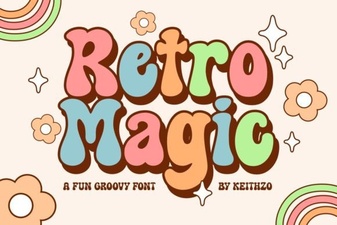 Font Magic for Retro Design Projects
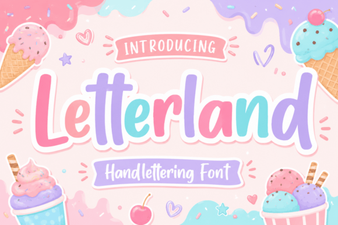 Letterland Fonts for Fun and Educational Projects