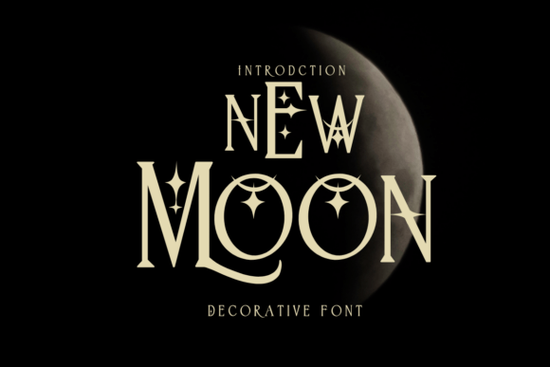
Handwriting styles bring a personal touch to digital projects, making them feel warm and authentic. If you are looking for a typeface that mimics natural pen strokes, the New Moon Font is a strong candidate. It works well for taking notes, writing a diary, or making greeting cards. However, its utility goes far beyond simple text. You can still use it for other designs, such as banners, content, mugs, cards, shirts, stationery, social media posts, and more. This versatility makes it a practical choice for crafters and small business owners who need consistency across different products.
What projects work best with this script?
Designers often ask where a decorative font fits best without losing readability. Because this typeface has a casual, handwritten feel, it shines in contexts where personality matters more than formal structure. For print-on-demand sellers, this means it is ideal for apparel designs where a short quote or a single word needs to stand out. Think of phrases on t-shirts like "Good Vibes" or "Dream Big." The organic lines of the letters prevent the design from looking too rigid or corporate.
Stationery makers also benefit from this style. When creating physical greeting cards or planners, the font mimics the look of actual ink on paper. This adds value to the product because customers perceive it as handcrafted. Social media managers can use it for story highlights or quote graphics. Since many platforms favor authentic content, using a script that looks written by hand can increase engagement. Just ensure you pair it with a simple sans-serif body text so the main message remains clear.
How does it fit into a larger design library?
Building a collection of fonts is essential for any creative professional. You do not want every project to look the same, so having variety is key. While this script offers a clean handwritten look, sometimes you might need something more whimsical. If you are browsing other playful decorative options, you might find styles that incorporate more illustrative elements. Comparing different files helps you understand which weight and curvature suit specific clients.
Having a mix of scripts allows you to tailor your work to different niches. A bakery might need something soft and rounded, while a fitness brand might prefer something bolder. Keeping a folder of diverse typefaces ensures you are ready for any brief. It also saves time during the creative process because you are not searching for the right look at the last minute. Organizing your assets by style, such as serif, sans-serif, and decorative, keeps your workflow smooth.
Where can you verify the license and files?
Before downloading any asset for commercial use, checking the license terms is a critical step. Most marketplaces provide detailed information about what you can and cannot do with the files. If you need to view the complete product listing, you will find specifics regarding desktop and web usage. Understanding these rules protects your business from legal issues down the line.
Always look for information on whether the license covers physical products for sale. Many designers want to know if they can put the text on mugs or shirts to sell in an online store. Typically, decorative fonts allow this, but verification is necessary. Also, check if the download includes multiple file formats like OTF, TTF, or WOFF. Having the right format ensures compatibility with your design software, whether you use Adobe Illustrator, Canva, or Procreate.
What tips ensure readable results?
Even the most beautiful script can fail if it is not legible. When using decorative fonts, spacing is your most important tool. Increase the line height and letter spacing slightly to prevent the characters from overlapping too much. This is especially important for smaller text sizes on mobile screens. If the letters touch too frequently, the viewer might struggle to read the message quickly.
Contrast is another factor to consider. Light gray text on a white background will disappear, especially with thin script lines. Use dark colors for the text or place it over a solid background shape. This helps the letters pop and ensures accessibility for all users. Test your designs on different devices before publishing. What looks good on a large monitor might look cluttered on a phone. Taking these small precautions ensures your final output looks professional.
Here is a quick checklist to follow before finalizing your design:
- Check Licensing: Confirm commercial use is allowed for your specific product.
- Test Legibility: Ask a friend to read the text without context.
- Adjust Spacing: Increase kerning and leading to improve clarity.
- Verify Contrast: Ensure the text stands out against the background.
- Export Correctly: Save files in the right format for your platform.
By following these steps, you can integrate this typeface into your workflow confidently. Whether you are making a diary entry or a marketing banner, the right font choice makes a significant difference in how your audience perceives your work.
Try It Free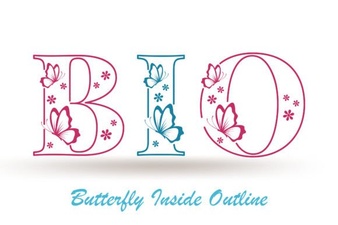 Create Beautiful Typography with Butterfly Fonts
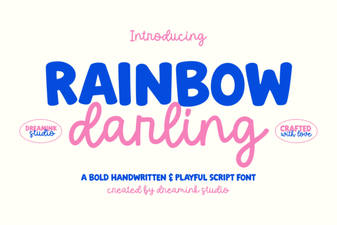 Rainbow Darling Duo: Font Pairing Ideas for Creative Designs
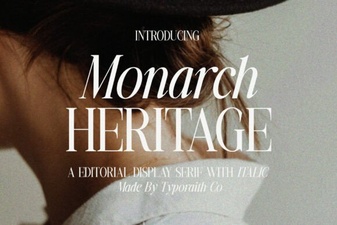 Monarch Heritage Font: Elegance for Creative Projects
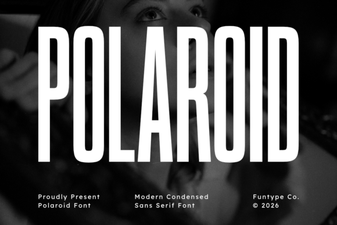 The Polaroid Font: Retro Design Inspiration & Uses
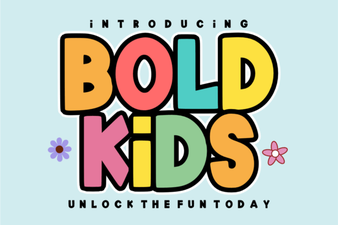 Creative Font Designs for Young Learners
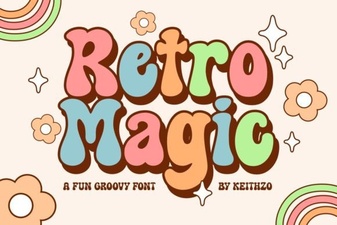 Font Magic for Retro Design Projects