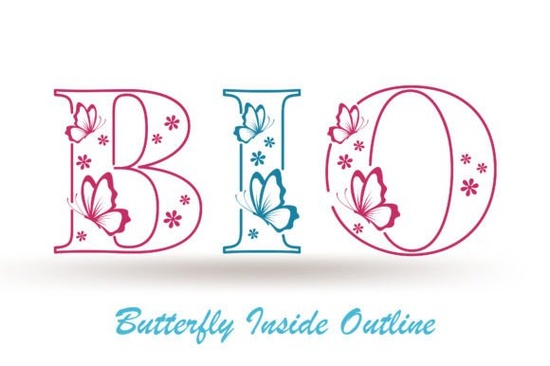
Finding the right typeface for a project often comes down to the mood you want to set. If you are looking for something elegant with a personal touch, the Butterfly Inside Font is a strong candidate. It offers an outline style that feels authentic and warm, making it ideal for creative projects that need a bit of flair without being too heavy. Designers and crafters often search for fonts that balance readability with decoration, and this option fits that need well. Whether you are making invitations or branding materials, having a reliable decorative font in your library saves time during the design process.
What makes this typeface unique?
The core appeal of this font lies in its outline structure combined with lovely ornaments. Unlike solid block letters, outline fonts allow you to get creative with fills. You can add patterns, gradients, or even leave them empty for a minimalist look. The authentic feel mentioned in the description comes from the subtle curves and decorative swashes that mimic hand-lettering. This makes it stand out against standard sans-serif options that might feel too corporate or plain. For users working in decorative fonts, having access to characters with built-in embellishments reduces the need for extra graphic elements. You can create a complete look using just the typography.
Another key feature is the versatility of the weight. Because it is an outline, it does not dominate the page like a bold blackletter font might. This allows you to pair it with simpler secondary fonts for body text. When you layer text over images, the open spaces in the letters let the background show through, creating a cohesive integration between your photo and your typography. This is particularly useful for social media graphics where background images are common.
Which projects work best with this style?
Stationery art is one of the most popular uses for this kind of typography. Wedding invitations, birthday cards, and thank-you notes benefit from the elegant vibe. The ornaments add a finished look without requiring you to draw extra flourishes manually. For those running a small business, this font works well on packaging labels or stickers. It adds a premium feel to physical products.
Social media posts also perform well with this style. Eye-catching posts often rely on unique text to stop the scroll. You can use this font for quotes, announcements, or sale headers. Just ensure there is enough contrast between the font outline and your background color. If you are creating cute greeting cards, the playful yet sophisticated nature of the letters matches the sentiment perfectly. It is not too serious, but it is not overly childish either.
Print-on-demand sellers should consider how the font looks on different materials. On a dark t-shirt, you might need to add a solid fill or a stroke to ensure visibility. On mugs or tote bags, the outline style can look very modern if paired with solid colors. Always test your design on a mockup before publishing to check readability.
How does it compare to other ornamental tools?
When building a font library, variety is key. You might want to view this outline style alongside other options to see how it fits your specific niche. Some designers prefer solid scripts, while others like the openness of an outline. Comparing different files helps you understand which one suits your workflow better. If you prefer something slightly different but still ornamental, you could compare it with other ornamental options to find the best match for your brand. Having a range of styles ensures you are not limited to one look for all your clients.
It is also worth considering the technical format. Most decorative fonts come in OTF or TTF formats, which work across Windows and Mac. Check if the download includes webfont versions if you plan to use it on a website. Compatibility with cutting machines like Cricut or Silhouette is another factor for crafters. Usually, you can convert the installed font into SVGs for use in design software, but having a font that installs cleanly is the first step.
What should small business owners know?
Licensing is a critical topic for anyone selling products. Always read the license agreement included with the download. Some fonts allow unlimited commercial use for physical products, while others have limits on digital sales. If you plan to use this for a logo, check if the license permits trademarking. Small businesses need to protect their assets, and using the wrong license can cause legal issues later. Keep your receipt and license file in a dedicated folder for easy access during audits or platform checks.
Consistency is another factor. If you choose this font for your brand identity, try to use it consistently across all platforms. This helps customers recognize your posts and products. However, do not use it for long paragraphs of text. Decorative fonts are best for headlines and short phrases. Use a clean sans-serif or serif font for body copy to maintain readability. This combination creates a professional hierarchy in your designs.
Practical checklist before you start
To ensure you get the most out of your download, follow these steps before beginning your design work:
- Check the license: Confirm you are allowed to use the font for commercial projects.
- Install correctly: Restart your design software after installing the font to ensure it appears in the list.
- Test contrast: Place the text over your intended background to check readability.
- Pair wisely: Choose a simple secondary font for body text to balance the decoration.
- Save versions: Keep a copy of your design with editable text in case you need to make changes later.
Taking these small steps ensures your final product looks professional and avoids technical headaches. With the right preparation, this typeface can become a staple in your creative toolkit.
Try It Free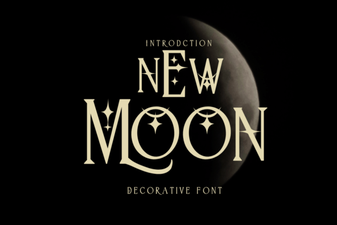 New Moon Font: Creative Ideas for Your Design Projects
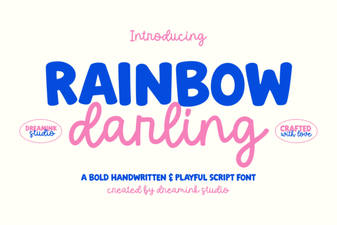 Rainbow Darling Duo: Font Pairing Ideas for Creative Designs
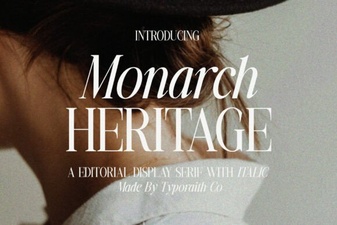 Monarch Heritage Font: Elegance for Creative Projects
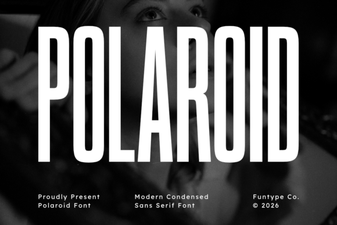 The Polaroid Font: Retro Design Inspiration & Uses
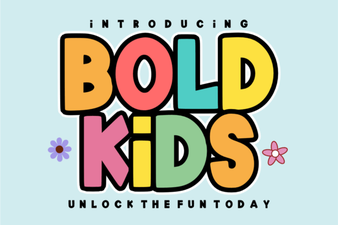 Creative Font Designs for Young Learners
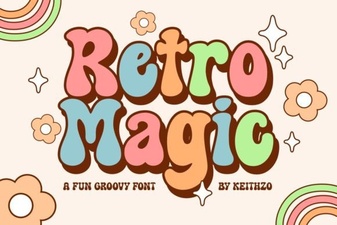 Font Magic for Retro Design Projects